There's a particular quality of light at the Rialto Bridge around quarter past seven on an autumn morning. The sun catches the stone balustrade at an angle that turns it almost amber, and the Grand Canal below reflects it back in long, wavering stripes. I've photographed it maybe a dozen times. The photos never look quite as good as the memory, which I suppose is the point of going back.
The Rialto district is the oldest commercial zone in Venice. It has been a marketplace since the 11th century, a banking centre since the 14th, and a place to drink cheap wine standing up since — well, probably since there was wine. Today it remains the most genuinely alive part of the city, the one area where Venetians still outnumber tourists before 9am.
In This Article
The Bridge — 400 Years of Arguments
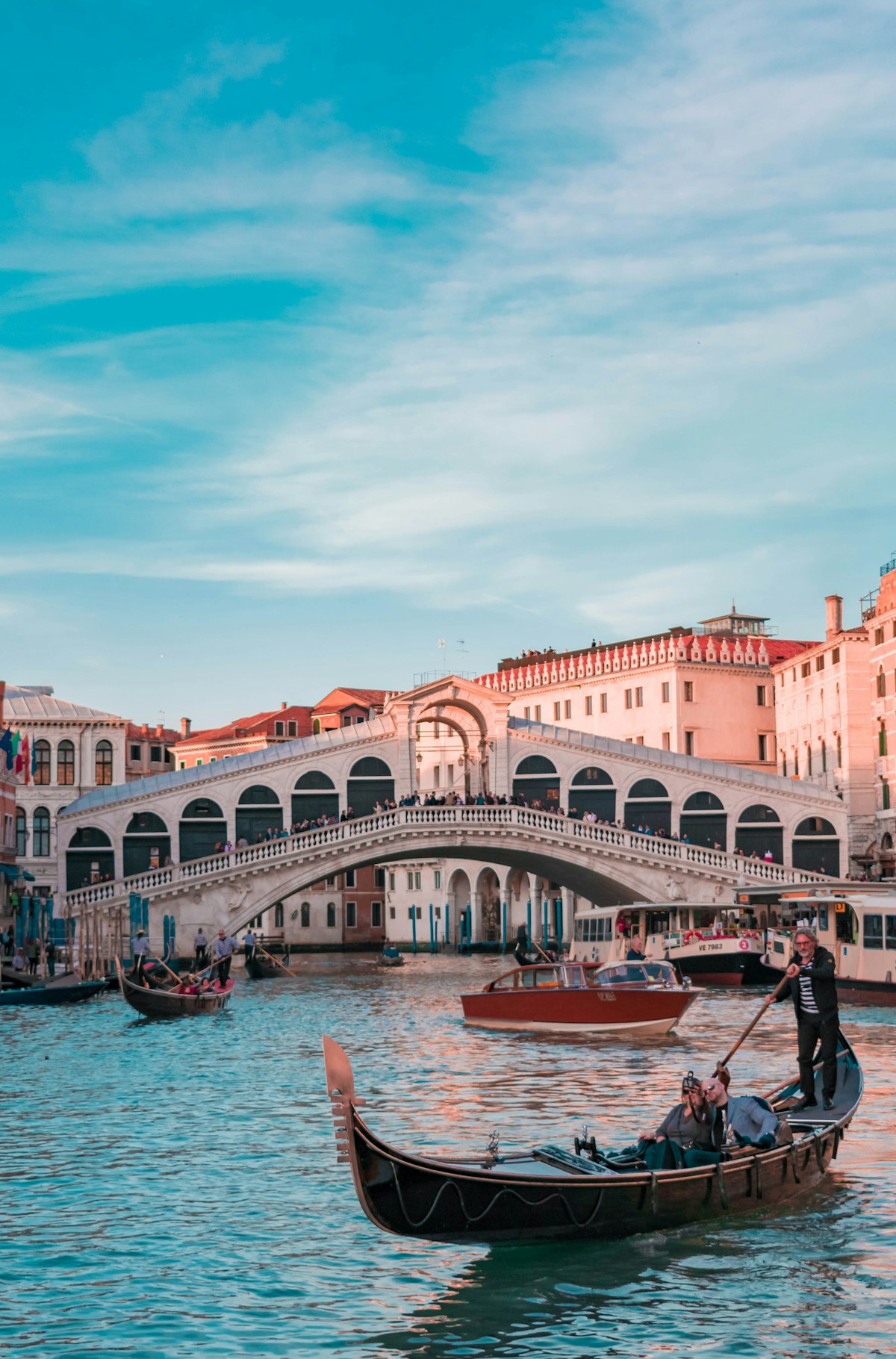
The Ponte di Rialto was completed in 1591, and the fact that it took them about forty years of arguing before they started building is, to me, very Venetian. Michelangelo offered a design. Palladio offered a design. Sansovino offered a design. They rejected all of them and gave the commission to Antonio da Ponte, a relatively unknown engineer whose surname literally means "bridge." You couldn't make it up.
It was the only bridge crossing the Grand Canal until 1854.
The bridge is covered, with two rows of shops running along either side and a central arcade between them. The shops sell mostly jewellery, leather goods, and Murano glass — touristy, yes, but the rents these shopkeepers pay to keep their stalls on a 16th-century bridge are reportedly staggering. Some of these families have been here for generations. I once chatted to a jeweller whose grandfather sold watches from the same spot in the 1930s.
The best view from the bridge is looking south-west, towards the bend in the Grand Canal. Go at sunset if you can bear the crowd. Go at dawn if you want it to yourself.
The steps are steep and well-worn. There's a particular groove in the stone near the top on the San Marco side where millions of feet have polished the surface to something almost slippery. When it rains, watch your step. I say this from experience.
The Pescheria at Dawn
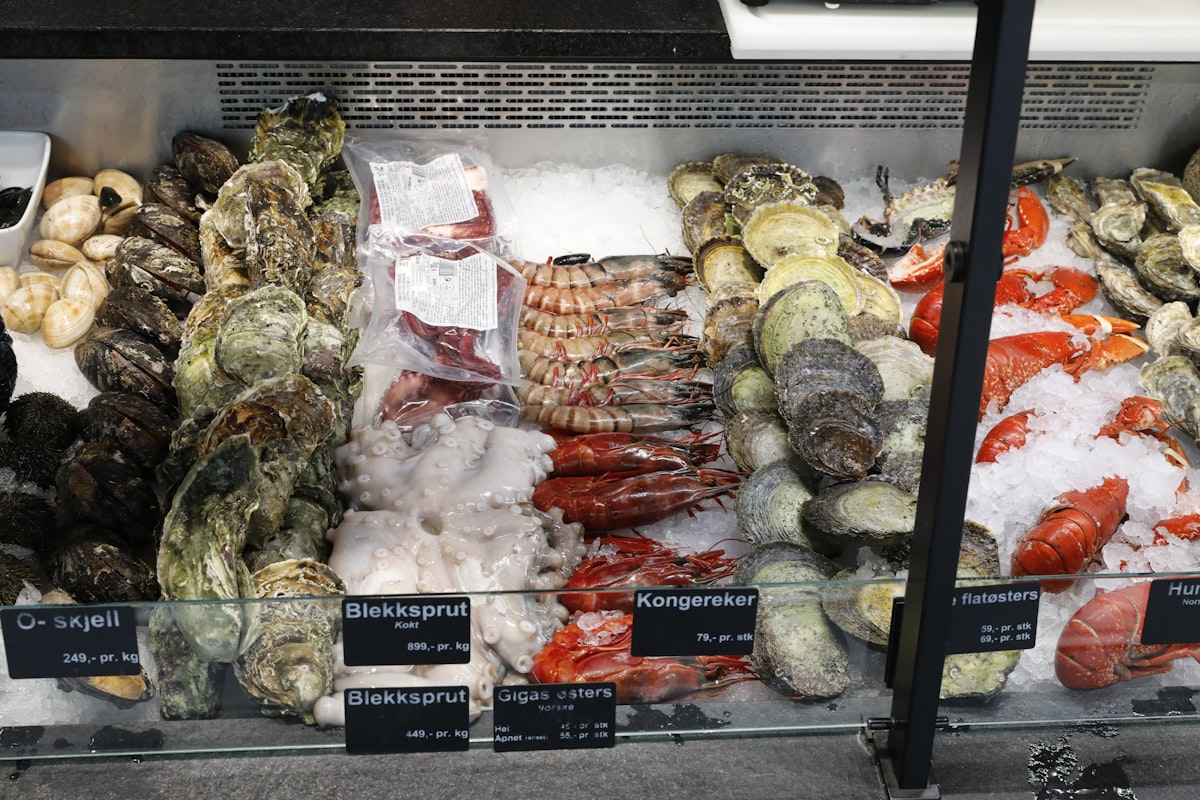
The Rialto fish market — the Pescheria — is the reason I set my alarm when I'm in Venice. It opens around 7:30am, but the real show starts closer to 8, when the fishermen from Chioggia have finished unloading and the stalls are at their most dramatic. Crates of shimmering sardines, langoustines still twitching, octopus draped across ice like something from a Dutch still life. The smell is salt and brine and cold water, not at all unpleasant, mixed with the earthy damp of the lagoon air.
I stood there one November morning watching a fishmonger gut moeche — the tiny soft-shell crabs that are a Venetian delicacy, available only in spring and autumn. His hands moved so fast I couldn't follow the motion. He'd been doing it, he told me, since he was fourteen. He was sixty-three.
What you'll see depends on the season. Summer brings swordfish and tuna steaks the size of roofing tiles. Autumn is moeche and cuttlefish (seppie). Winter is when the eels appear — a Venetian Christmas tradition I've never quite warmed to. Spring is scampi and soft-shell crab again. Year-round you'll find branzino (sea bass), orata (gilt-head bream), and more varieties of small clam than I knew existed.
The market sits under an open-sided Gothic loggia on the Grand Canal bank. The building dates from 1907, but there's been a fish market on this spot since 1097. Nearly a thousand years of people selling fish in the same location. That kind of continuity does something to a place.
The Erberia — Less Famous, Equally Good
Adjacent to the Pescheria is the Erberia, the fruit and vegetable market. Same hours, same energy, different smells. Where the fish market is briny and cold, the produce side is earthy and sweet — especially in late summer when the stalls overflow with white peaches, San Marzano tomatoes, and the small purple artichokes (castraure) that grow on Sant'Erasmo, the garden island in the lagoon.
Prices here are higher than you'd pay at a mainland supermarket. This is not a budget shopping destination. But the quality is noticeable, and watching an Italian grandmother methodically inspect every single radicchio leaf before selecting one is a form of street theatre I never tire of.
- Castraure artichokes — spring only, from Sant'Erasmo island. Small, tender, eaten raw with olive oil and salt.
- White asparagus — April to June. Venetians go slightly mad for these.
- Radicchio di Treviso — winter. The long red-and-white variety, nothing like the round, bitter supermarket kind.
- Persimmons — autumn. Sold so ripe they're practically liquid inside.
Aperitivo Hour — The Reason You're Actually Here
The area between the Rialto Bridge and Campo San Giacometto has the highest concentration of good drinking spots in Venice. This is where the bacaro culture is at its most concentrated — small, standing-room bars selling wine by the glass (an ombra) and small plates (cicchetti). The tradition here goes back centuries. The word ombra itself supposedly comes from wine sellers who moved their stalls to stay in the shadow (ombra) of the Campanile.
Three bars worth knowing about:
| Bar | What to Order | Vibe | Best Time |
|---|---|---|---|
| Al Merca | Prosecco (€2.50) + panino with porchetta | Tiny, standing only, locals and students | 5:30–7pm |
| Naranzaria | Aperol Spritz + seafood cicchetti | Canal-side terrace, slightly upmarket | Sunset |
| Bancogiro | Natural wine + baccalà mantecato | Wine-focused, relaxed, great canal views | 6–8pm |
Al Merca is the one I go back to most. It's barely more than a counter with a fridge, wedged into a corner of Campo Bella Vienna. There's no seating — you stand on the campo with your glass and watch the market wind down. A glass of prosecco is about €2.50. A panino with sopressa or porchetta is €3. You can have a very satisfying aperitivo for under €6, which in Venice is practically a mathematical error.
Naranzaria faces the Grand Canal and has actual tables, which means slightly higher prices and a slightly different crowd. The seafood cicchetti here are good — the crostini with raw fish are surprisingly delicate — and the view of boats passing under the Rialto Bridge while you drink a spritz is hard to argue with.
Bancogiro is where I go when I want something other than prosecco. They stock natural wines and a few interesting bottles from small Veneto producers. The baccalà mantecato (whipped salt cod) here is some of the best I've had in the city. Sit upstairs on the terrace if there's space. The ground floor bar works too, though it gets shoulder-to-shoulder after 7pm.
Morning or Evening? Both, Ideally
The Rialto area is two completely different places depending on when you visit.
Morning — say, 7:30 to 10am — belongs to the market. The air smells of fish and cut flowers and espresso from the bars opening their shutters. The light is flat and soft, good for photography if you don't mind getting in the way of people who are actually working. This is when the area feels most like a living city rather than a stage set.
Evening — 5pm onwards — belongs to the aperitivo crowd. The market stalls are shuttered, the campo fills with people holding small glasses, and the bridge turns golden as the sun drops behind Santa Croce. This is when the Rialto becomes romantic, though that word gets overused about Venice.
If you can only come once, come in the morning. The market is the thing that makes this area different from every other tourist zone in Venice. The bridge is always there; the fish aren't.
Campo San Giacometto — The Small Square Everyone Walks Through
Right at the foot of the bridge on the San Polo side is Campo San Giacometto, a small square dominated by the church of San Giacomo di Rialto — allegedly the oldest church in Venice, founded in 421 AD. The clock on its facade is famously unreliable. I've checked it against my phone on multiple visits and it has never once been correct. There's something endearing about a clock that has been wrong for what appears to be several centuries and nobody has bothered to fix it.
Opposite the church is the Gobbo di Rialto — a granite figure of a crouching man supporting a small staircase. In the Republic's days, government decrees were read from the top of these steps, and criminals being punished had to run naked from San Marco to this spot. The Venetian approach to justice was nothing if not theatrical.
The campo itself is tiny. You can cross it in thirty seconds. But on a market morning, with the flower stalls set up along one side and the produce vendors spilling out from the Erberia, it feels like the centre of something. I've sat on the church steps with a coffee from the bar opposite and watched the morning unfold more times than I can count. It never gets old.
For more on what to eat in this neighbourhood, I've written a longer piece on Venice's cicchetti bars and where to find them. And if you're wondering how to get here from other parts of the city, the vaporetto guide covers the Rialto stop on the Grand Canal. Check the Venezia Unica website for current public transport passes and pricing.