I'll say it upfront: Venice is expensive. Anyone who tells you otherwise is either lying or hasn't been recently. A single vaporetto ride costs €9.50. A coffee at a table in Piazza San Marco can reach €12. I once paid €7 for a bottle of water near the Rialto Bridge — though that was entirely my fault for being dehydrated and impatient.
But here's the thing. Over thirty-odd visits since 2009, I've spent wildly different amounts. I've done Venice on €55 a day and I've done it on €300. The city itself hasn't changed much between those trips. What changed was what I knew.
This is the guide I wish someone had handed me before my first visit — not the cheerful "Venice doesn't have to be expensive!" nonsense, but an honest accounting of what things cost and where the money actually goes.
In This Article
What Does a Day in Venice Actually Cost?
I've kept rough expense logs for my last dozen trips. Here's what the numbers look like when I'm honest about them:
| Style | Daily Budget | What That Gets You |
|---|---|---|
| Backpacker | €60–80 | Hostel or Mestre hotel, cicchetti meals, walking everywhere, one museum |
| Mid-range | €120–180 | B&B or small hotel on the island, sit-down lunch, vaporetto pass, two attractions |
| Comfortable | €250+ | Canal-view hotel, restaurant meals, water taxi when tired, no price-checking |
The biggest variable is accommodation. A double room in Venice proper (Dorsoduro, Cannaregio, San Polo) runs €100–180 per night for something decent. That same quality in Mestre — a 15-minute train ride from Santa Lucia station — is €50–90. More on that later.
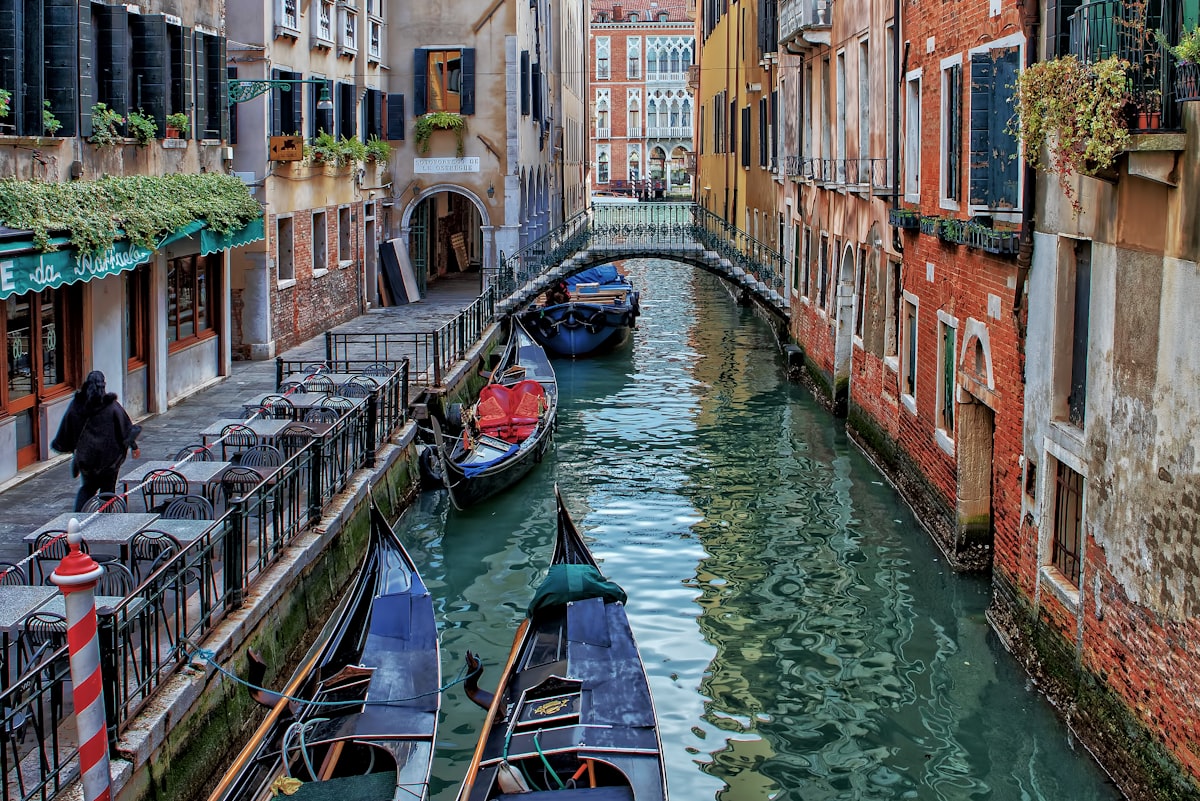
The second biggest cost is food — but only if you eat the way most tourists eat, which is to say: badly and expensively, at restaurants within sight of a major landmark. Move two streets away from San Marco, and prices drop by 40%. I'm not exaggerating.
The Best Free Things in Venice
Venice has a strange quality that most expensive cities lack: many of its best experiences don't cost anything. The city itself is the attraction. Walking through it — properly walking, without a destination — is better than most of the museums.
Here's what I'd do on a zero-budget day:
- Walk the full length of Dorsoduro from the Accademia to Punta della Dogana. The views across to San Giorgio Maggiore from the waterfront are extraordinary, and the light in the late afternoon is the kind of thing I've spent entire photography trips trying to capture.
- Visit churches. Most Venetian churches are free. San Zanipolo (Santi Giovanni e Paolo), Santa Maria dei Frari charges €5 but the Basilica di San Marco is free to enter (the museum upstairs costs €7). The Gesuiti in Cannaregio has a Titian and almost no visitors.
- Browse the Rialto fish market — every morning except Sunday and Monday. Whole swordfish on marble slabs, crates of moeche (soft-shell crabs) in season, fishmongers shouting at each other in Venetian dialect. It's been running since 1097.
- Walk through acqua alta. If you visit between October and March, there's a decent chance the tide will flood parts of the city. Tourists panic. Locals put on rubber boots. It's genuinely one of Venice's most memorable experiences, and it costs nothing except possibly your shoes.
- Sit in Campo Santa Margherita and watch the evening unfold. Students, old men playing cards, kids kicking footballs, aperitivo drinkers spilling out of bars. It's the closest Venice gets to a normal Italian piazza, and there's no entrance fee for people-watching.
The irony of Venice is that the more you pay, the worse the experience often gets. The €200 gondola ride through a traffic jam of other gondolas versus a free walk through Castello at dusk — I know which one I'd choose every time.
Free museum days exist but they're unpredictable. The first Sunday of each month, state museums offer free entry — which in Venice includes the Gallerie dell'Accademia and Museo d'Arte Orientale. Check the Venezia Unica website for current schedules. Civic museums (Palazzo Ducale, Ca' Rezzonico, etc.) occasionally have free days too, usually announced a few weeks ahead.
One more free thing worth mentioning: water. Venice has drinking fountains all over the city — small green or bronze taps attached to walls or standing on corners. The water comes from the mainland via aqueduct and it's perfectly good. I haven't bought a bottle of water in Venice in years. Just carry a refillable bottle and fill it as you walk. That's €2–3 saved every time you'd otherwise be buying from a shop, which over a week adds up.
Eating Well for Under €15
This is where Venice actually surprises people. The city has a genuine cheap-eating culture — it just isn't visible from the tourist corridors.

Cicchetti are Venice's answer to tapas. Small plates — sometimes just a crostino with a slice of baccalà, a meatball, a bit of marinated sardine on bread — served at bar counters throughout the city. Each piece costs €1.50–3. Four or five of them with a glass of house wine (called an "ombra," usually €2–3) makes a full meal for around €12. I've had some of my best meals in Venice standing at a bar counter with a tiny plate of sarde in saor and a glass of white.
Pizza al taglio (pizza by the slice, sold by weight) is everywhere and consistently decent. A generous portion costs €3–5. The shops near Campo Santa Margherita and along Strada Nova cater to locals and students, so the prices stay reasonable.
Supermarkets. There's a Coop on Campo San Giacomo dell'Orio, another near the train station, and a Conad in Cannaregio. For breakfast, skip the hotel and buy bread, fruit, and coffee from a bar (€1.20–1.50 for an espresso at the counter — always cheaper than sitting at a table). For lunch, assemble a picnic: fresh bread, cheese from the deli counter, a bag of crisps, some fruit. Total: about €5. Eat it on a bench overlooking a canal. Better than any €18 tourist menu.
One critical rule: never eat at a restaurant that has a person standing outside trying to wave you in. Never. This is universal advice across Italy, but in Venice the correlation between "guy with a menu on the street" and "terrible overpriced food" is essentially 1:1.
The Vaporetto Pass Maths
A single vaporetto ride costs €9.50 regardless of distance. That's steep. But ACTV sells passes that change the calculation entirely:
- 24-hour pass: €25
- 48-hour pass: €35
- 72-hour pass: €45
- 7-day pass: €65
The maths is straightforward. If you'll ride the vaporetto three or more times in a day, buy the 24-hour pass. If you're staying three days and plan to use boats regularly, the 72-hour pass works out to €15 per day — less than two single rides.
But here's my actual advice: walk. Venice is tiny. You can cross the entire city on foot in about 45 minutes. I use the vaporetto perhaps once or twice a day at most, usually when I'm heading to or from the train station with a bag. If you're staying centrally and your feet are in reasonable shape, you might not need a pass at all. Buy single rides only when you genuinely need them, and use the savings on food or a museum ticket instead.
Where to Sleep Without Going Broke
The most impactful budget decision you'll make is where you sleep. Here are the realistic options:
Mestre (mainland): A clean, modern hotel room for €50–70/night. The trade-off is a 10–15 minute train ride to Venice Santa Lucia station each way (€1.50 on the regional train). It's not romantic. The views from your window will be of a car park. But the savings are enormous — over a week, staying in Mestre instead of Venice proper can save you €400–600.
I stayed in Mestre for my first three Venice trips. No regrets. The Venezia Mestre station is efficient, trains run every 5–10 minutes, and you're on the Grand Canal within 20 minutes of leaving your hotel door.
Venice hostels: The Generator Venice (on Giudecca island) and We Crociferi (in Cannaregio, inside a former monastery) both offer dorm beds from €25–45/night. Private rooms are more. Quality varies seasonally — in August, expect warm rooms and a lot of backpackers.
Venice guesthouses and B&Bs: These are my pick for mid-range stays. A room in Cannaregio or Dorsoduro from a local host, €90–140/night, often with better character and advice than any hotel. Book directly if you can — the host keeps more money and you sometimes get a better rate.
Seasonal pricing: Venice accommodation pricing swings dramatically. A room that costs €100 in November might cost €250 during Carnival (February) or the Venice Film Festival (September). If you're budget-conscious, November and January are the sweet spot — fewer tourists, lower prices, and Venice at its most atmospheric.
Tourist Traps I've Fallen Into
I've been going to Venice for seventeen years and I still occasionally get caught. Here are the ones that cost me:
- Sitting down for coffee in Piazza San Marco. I knew better. I did it anyway, because the square was empty on a January morning and it looked beautiful. Two espressos and a pastry: €28, plus a "music surcharge" of €6 because a pianist was playing to an audience of zero. Total: €34 for breakfast. The coffee was fine. The croissant was stale.
- Buying a vaporetto single instead of a day pass on a day I ended up island-hopping. Three separate rides: €28.50. A day pass would have been €25. This happens more often than I'd like to admit.
- Eating near the Rialto Bridge. Even the places that look local aren't, really. The rent is too high. A plate of spaghetti alle vongole near Rialto: €22. The same dish at Trattoria alla Rivetta, ten minutes' walk away: €14. Same quality. Different postcode.
- The gondola. Yes, I did it once. €80 for 25 minutes (this was years ago — it's €80–100 now, more after 7pm). The gondolier was on his phone for half of it. It was an authentic Venetian experience in a way I hadn't anticipated.
The San Marco area in general is where money disappears fastest. I don't avoid it — the Basilica is magnificent, the Palazzo Ducale is worth every cent of the entrance fee — but I don't eat there, don't drink there, and don't shop there. Walk through, admire it, then retreat two or three streets in any direction and watch the prices normalise.
Venice is one of those places where the best experiences and the cheapest experiences often overlap. The morning light on the Zattere waterfront. Getting lost in Castello and finding a tiny square where an old woman is feeding cats. Watching a thunderstorm roll across the lagoon from the Fondamenta Nuove. None of these cost anything. The things that cost a lot — overpriced restaurants, gondola rides, glass trinkets from shops that import from China — are usually the things you'll forget first.
Budget Venice isn't a compromise. It's just a different way of paying attention.